
Budachów – land of oaks, gardens and pierogi
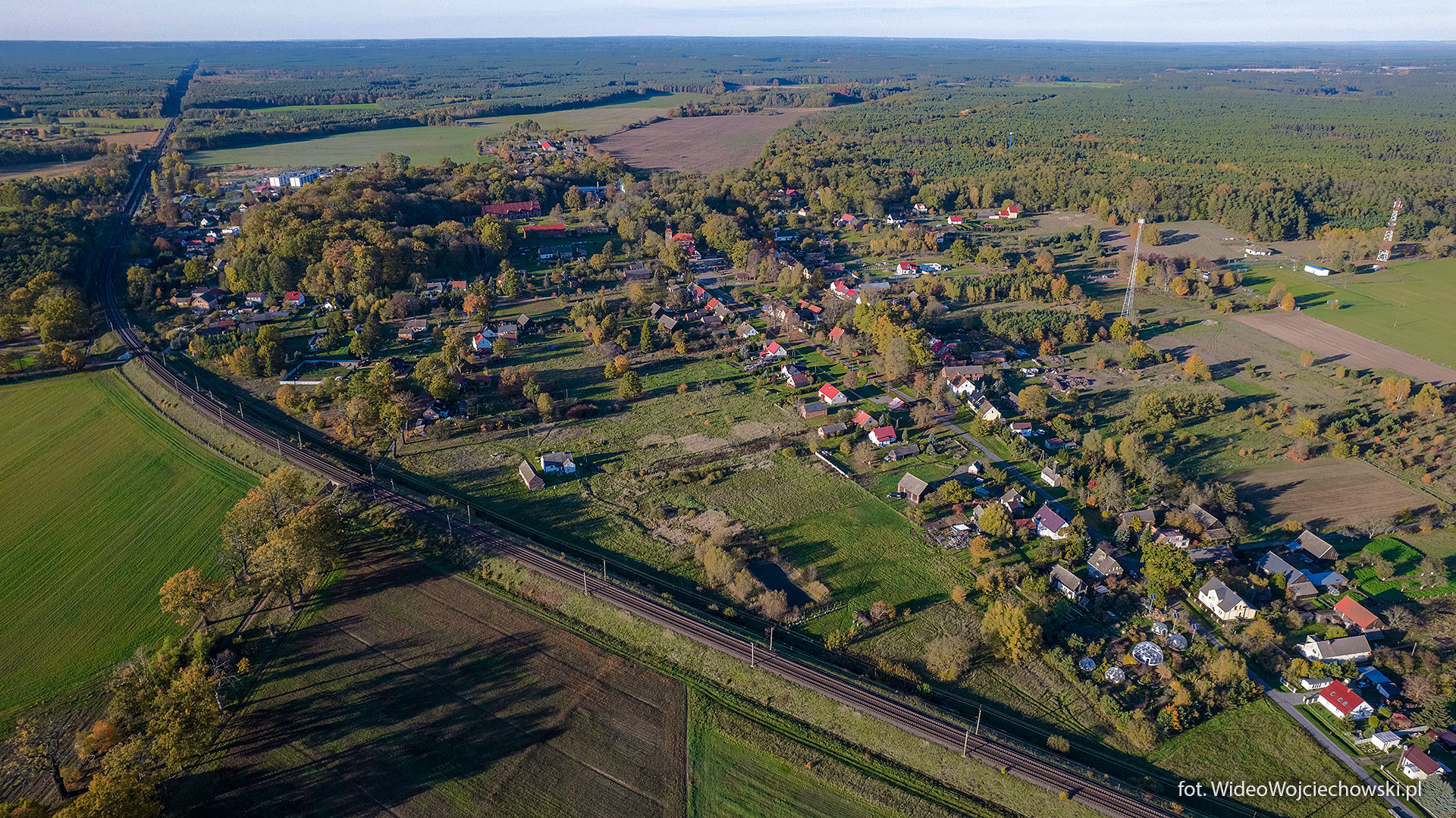
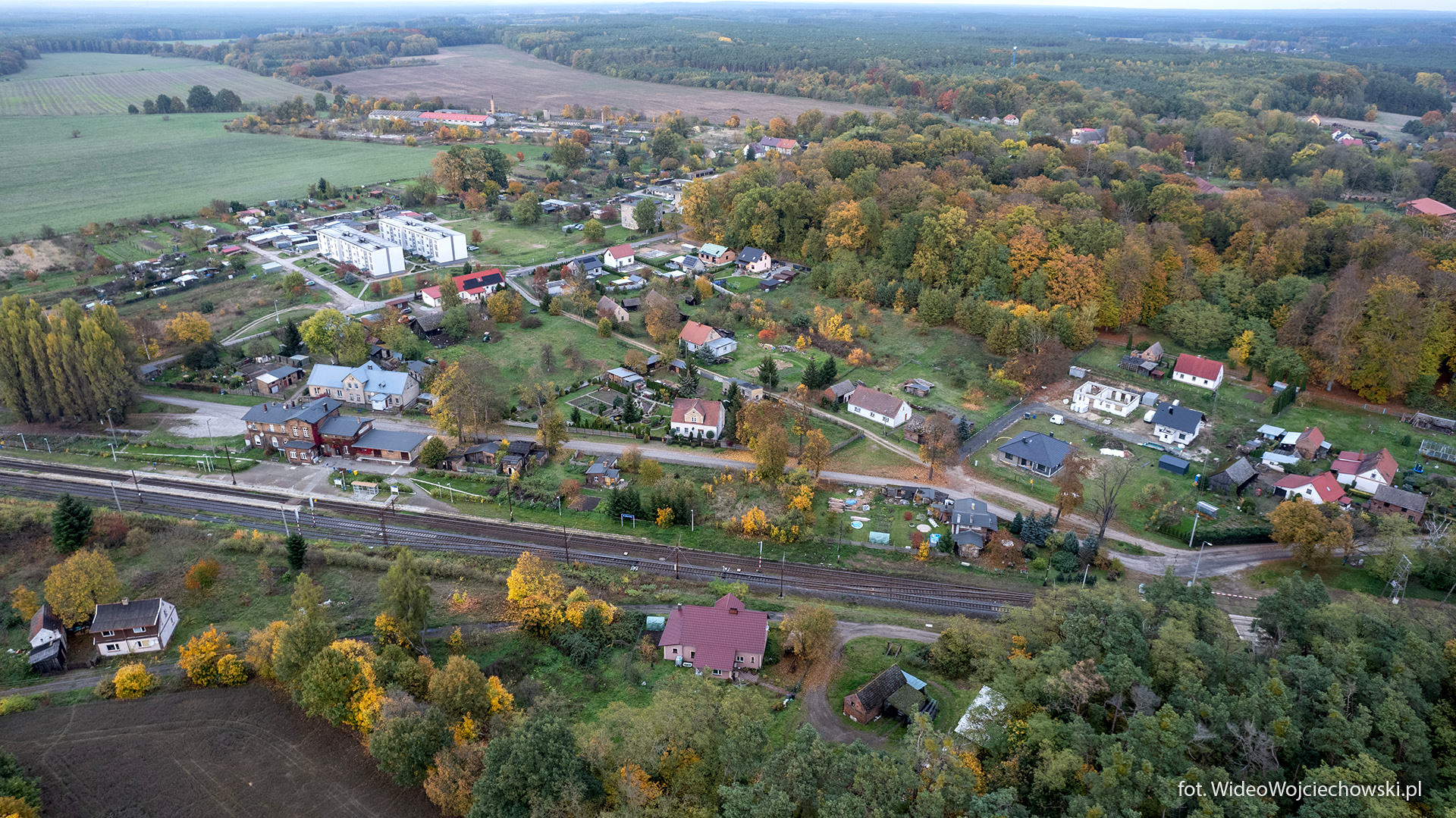
Budachów is a picturesque village in the Lubusz Voivodeship (Lubuskie) of western Poland, in Krosno County, within the municipality of Bytnica. Surrounded by vast forests, the village stands out for its centuries-old history, historic architecture and rich natural heritage.
Budachów, formerly known by its German name Baudach, lies about 13 kilometres north of Krosno Odrzańskie and 6 kilometres west of Bytnica. It is a place where the history of past generations meets the landscape typical of the Lubusz Land.
History of Budachów
The history of Budachów goes back to the Middle Ages. According to German regional histories, the village was mentioned in a document from 1309 under the name Budechow. Even then there was a landed estate here, whose history was linked to noble families for centuries.
In the 16th century the Budachów estate belonged to the von Baudach family, then to the von Löben family, and from the 17th century it was associated with the von Pannwitz family. Over the following centuries the estate changed hands many times, reflecting the complex political and economic history of the region.
In the 19th century Budachów was not only a farming village but also a local economic centre. It had, among other things, a distillery, a sawmill, a mill, a brickworks and a smithy. These businesses show how well developed the local economy was for its time.
After the Second World War, Budachów became part of Poland. Major social and demographic changes followed, linked to post-war resettlement.
From 1954 to 1968 Budachów was the seat of its own gromada (a small rural administrative unit), serving as a local administrative centre. From 1975 to 1998 it belonged to the Zielona Góra Voivodeship, and since 1999 it has been part of the Lubusz Voivodeship.
The historic Church of St Joseph
One of the most important monuments in Budachów is the baroque Church of St Joseph, built in 1782–1785 as a Protestant church.
The church is a brick building on a rectangular plan with a distinctive square tower on its west side. Its architecture combines baroque and classicist elements, visible for example in the galleries added in the first half of the 19th century.
The church’s historic furnishings included a pulpit altar from 1789 and a baptismal font dated 1676. After 1945 the church was adapted for Catholic worship.
The church is an important testimony to the religious, architectural and social history of Budachów.
The historic manor park
A particularly valuable part of the village’s heritage is the 18th-century manor park, covering about 8.5 hectares.
Old trees have survived here, including magnificent oaks and beeches. Especially valuable is the historic oak avenue of about 60 trees, the largest of which measure over 6 metres in girth.
The park bears witness to the former residence and is also a place of special scenic and natural value.
Nearby there was once also a pavilion known as the “wine tower”. In 1979 it was moved to the Ethnographic Museum in Ochla.
Other monuments and historic buildings
The surviving buildings of the former manor farm recall the economic history of Budachów.
Of particular importance are the 19th-century brick smithy and a farm building from the mid-19th century with a characteristic hipped roof.
The historic buildings reveal traces of the farming and craft life that shaped the local community for centuries.
Budachów and its natural surroundings
Budachów lies among extensive forests typical of this part of the Lubusz Voivodeship.
Forests, clearings, old trees and farmland create surroundings that invite you to enjoy nature and discover local biodiversity.
The historic park is of special natural value: its ancient trees are not only living monuments of history but also an important part of the local ecosystem.
Budachów – heritage and future
The history of Budachów is not only about estates, historic buildings and shifting administrative borders. Above all, it is the story of the people who built the local community over generations.
Today’s Budachów combines historical heritage with natural beauty and the life of its local community.
Exploring the past of Budachów, protecting its monuments, preserving its nature and recording the memories of its residents are ways of linking the village’s past, present and future.